Modena is applying to become a Unesco Creative City 2021 for 'Media arts', with the possibility of joining a network of almost 200 cities around the world that are characterised, also in promotional terms, by excellence in cultural sectors. The candidacy process was presented by Mayor Gian Carlo Muzzarelli and Culture Councillor Andrea Bortolamasi at the 'Tavolo per la crescita intelligente, sostenibile e inclusiva' (Table for smart, sustainable and inclusive growth) promoted by the Municipality of Modena with economic and social associations. At the meeting, which took place via teleconference on Friday 18 December, the path was announced as an opportunity to relaunch Culture after the serious crisis that has hit the sector and the city with the pandemic. The initiative, which will involve the City Council and the main players involved in culture in the city, may in fact be one of the tools that will be activated to promote the relaunch of Modena after the health emergency.
Bortolamasi, in particular, emphasised that the candidacy 'represents a challenge of the city and for the city, in the perspective of a post-Covid restart in 2021 also thanks to culture as a factor of growth, employment, work. With a process," the councillor explained, "that aims to strengthen the Modena brand by emphasising its nature as a city that is open and fertile for young people, that keeps its manufacturing roots firmly intact, but also looks to the future as a creative city, where culture and technology dialogue, thanks to a growing network of qualified players involved: from cultural institutes to Unimore, Fmav, Ago, Ert, Art- ER, Teatro Comunale, Fondazione di Modena, Gallerie Estensi, Fondazione Brodolini, Fondazione San Carlo, public and private entities, associations and protagonists of the cultural scene.
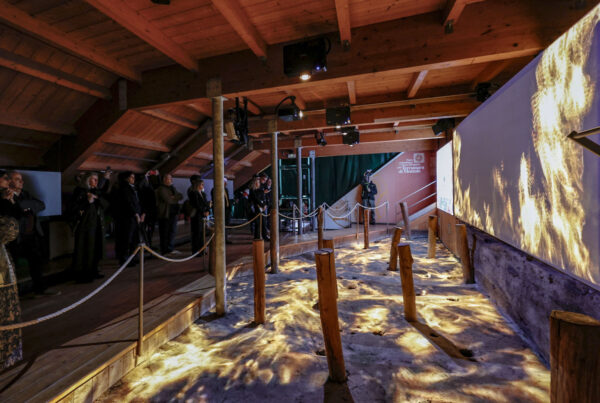
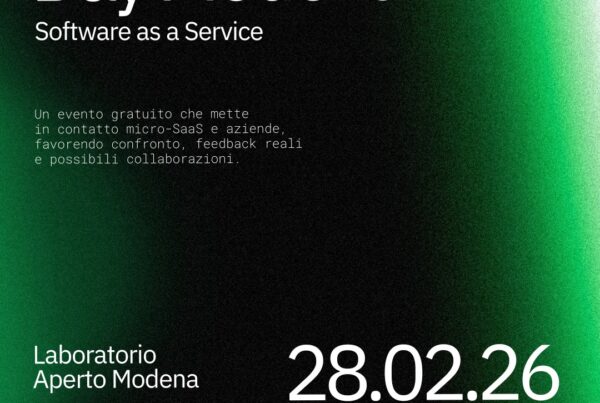
Modena's candidacy as Unesco Creative City 2021 is the first by an Italian city in the Media arts 'cluster', in the sign of a reality that invests in new languages - digital and technologies - applied to cultural languages. Among the projects are Clap (Cultural Lab Platforming) for the innovation of creative and cultural industries with digital platforms and the innovation of audiovisual industries, in collaboration between the Unimore Interdepartmental Centre for Digital Humanities, Laboratorio Aperto and the Municipality; the digitisation of the Figurine Museum, 'Il Dondolo' the civic digital publishing house, the Opera streaming of the Pavarotti Municipal Theatre, the use of social and new media by libraries, museums and the Music Centre, and other experiences. In a city that, not least because of the major urban transformations it has undergone, has identified culture as a fundamental thread.
The candidacy process is guided by Vittorio Salmoni, coordinator of the Italian Unesco Creative Cities Network. Salmoni is in charge of defining the strategic lines of the candidacy and the programme of activities of Creative Modena, initiating international relations with cities in the network and representative institutional entities such as embassies, as well as planning promotion and communication activities for the candidacy at national and international venues.
The first steps of the process consisted of a mapping of the existing with forms sent to all local actors to bring out the most important projects. In the immediate future, the network of stakeholders will be formalised, including through the sharing of a protocol, a 'promoting committee' will be set up with them, and a public notice will be launched for the design of a logo,
The Creative Cities Network is a Unesco programme active since 2004, involving a network of 180 cities from 72 countries on five continents. The Network's objective is to promote knowledge, cooperation and projects among cities that have identified culture and creativity as the driving forces of their development. The watchwords are collaboration, sharing of knowledge and good practices, confrontation, planning, valorisation of intangible cultural heritage. Through the Network, in seven areas corresponding to as many cultural sectors - Music, Literature, Crafts and Folk Arts and Traditions, Design, Media Arts, Gastronomy, Cinema - cities can enhance their experiences and skills on national and international markets.